Thank you! Your submission has been received!
Oops! Something went wrong while submitting the form.

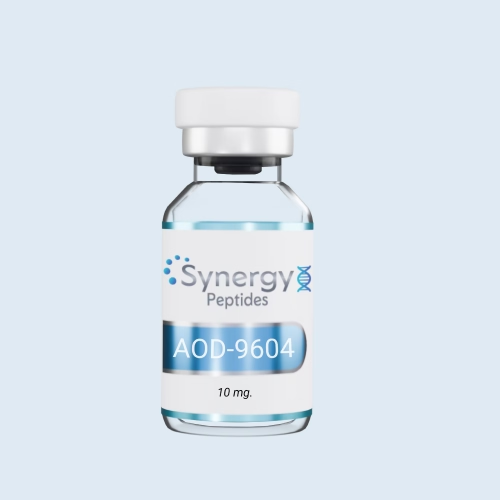

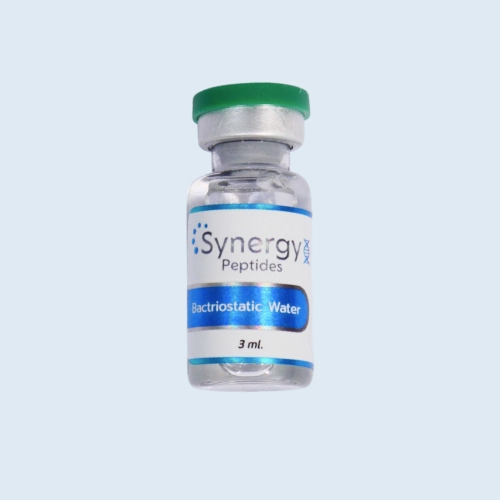
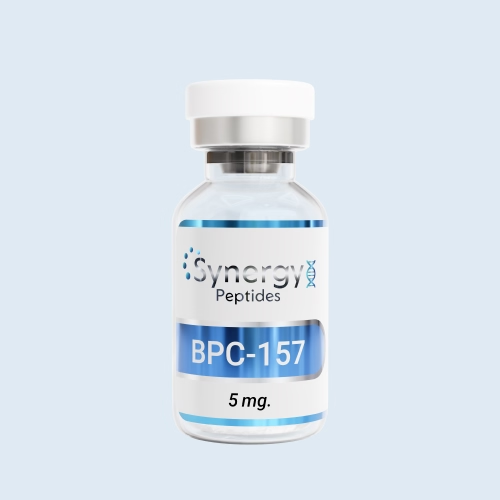
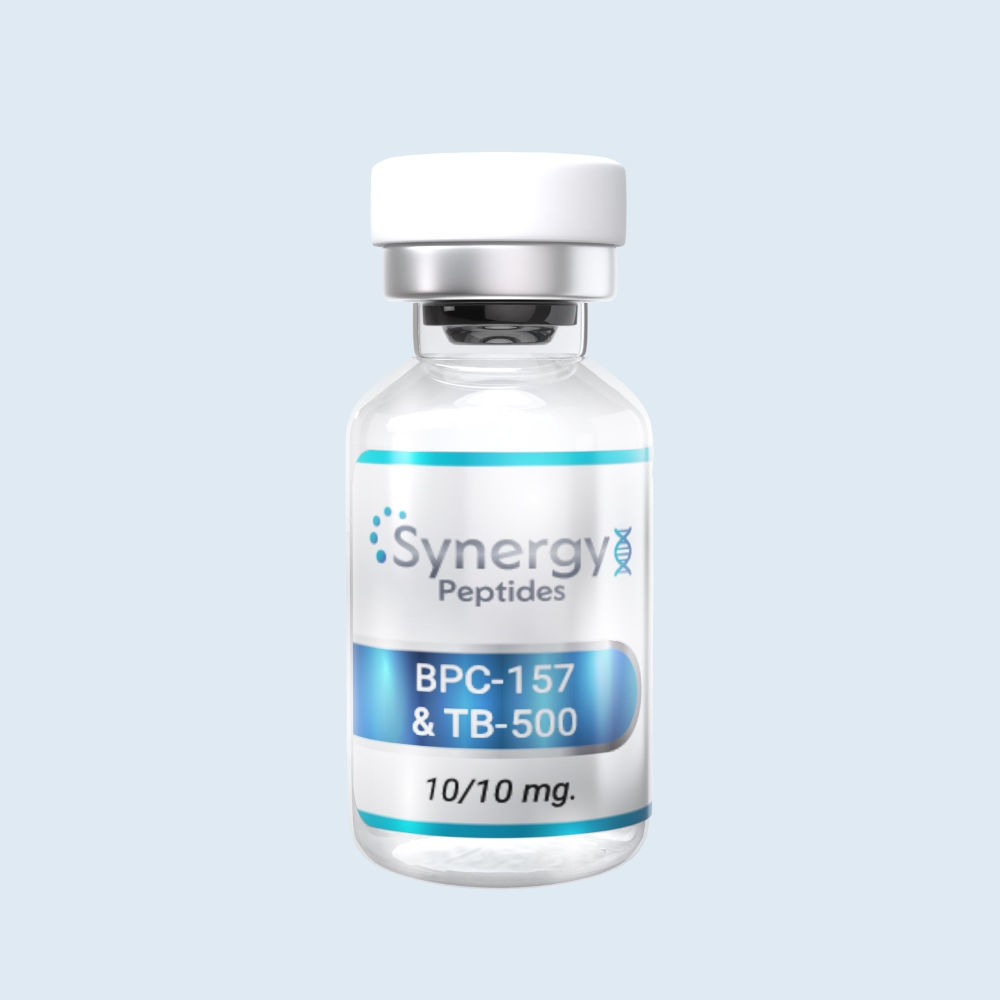













No Results found.
Please try different keywords.
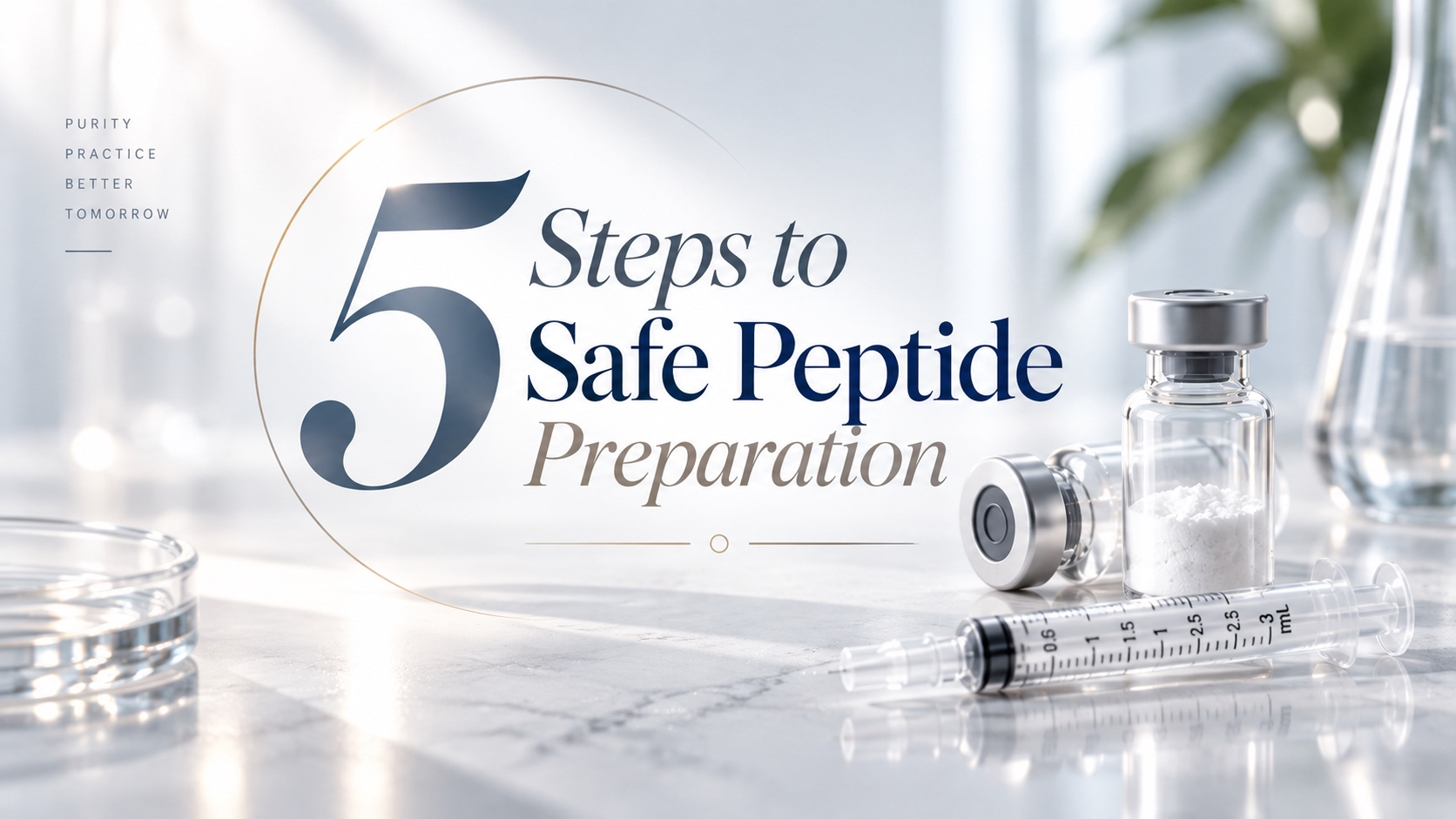
Proper reconstitution is essential for maintaining peptide stability and reducing the risk of contamination. Follow these five key steps for safe and proper preparation.
1. Preparation of Equipment and Workspace
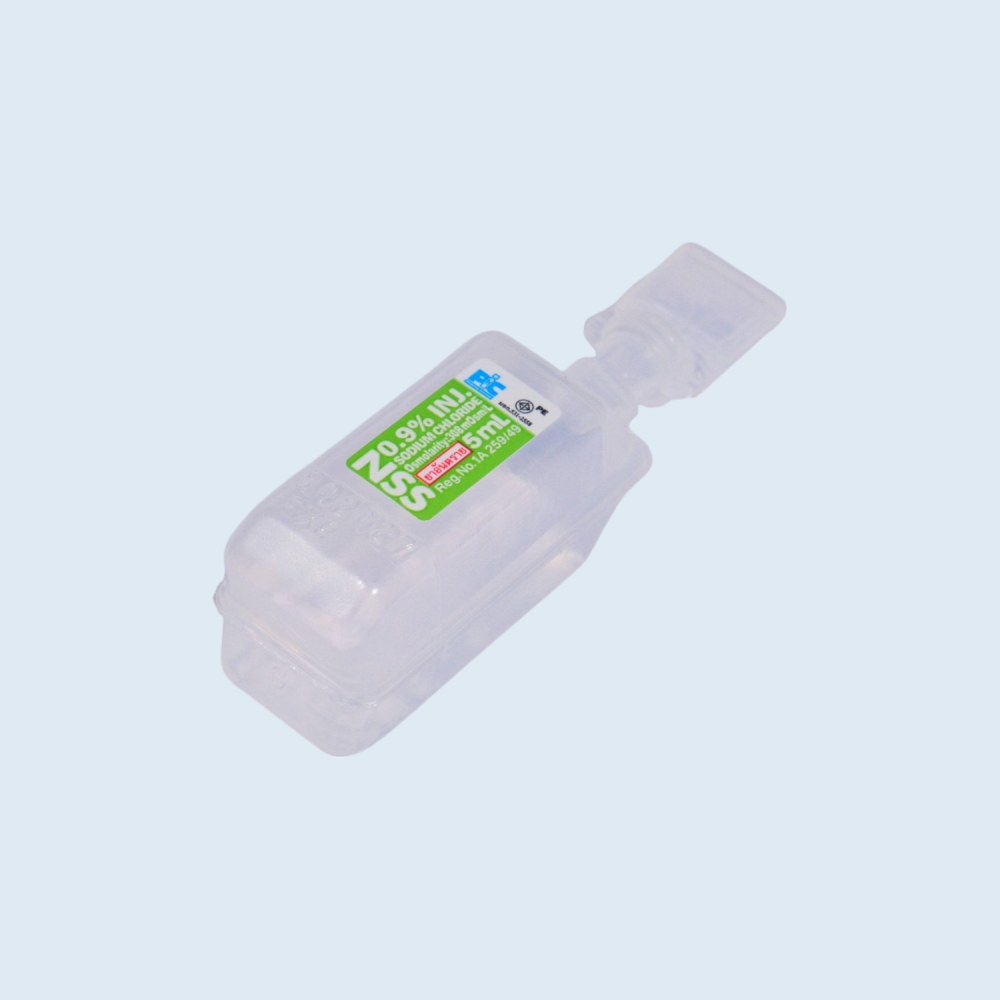
Before beginning, thoroughly wash your hands with soap and water or use an alcohol-based hand sanitizer. Disinfect your workspace surface and gather all required supplies: the lyophilized peptide vial, reconstituting solvent (Bacteriostatic Water or Sterile Water), syringes, and alcohol prep pads.
2. Sterilizing the Rubber Stoppers
To minimize contamination risks, remove the flip-off caps and wipe the rubber stoppers of both the peptide vial and the solvent vial using separate alcohol prep pads. Allow them to air-dry completely before inserting any needles.
3. Solvent Injection Technique
Using a sterile syringe, draw the exact required volume of solvent. Insert the needle into the peptide vial at a slight angle so that the solvent slowly drips down the inside glass wall of the vial. Crucial Tip: Never squirt the solvent directly onto the dry peptide powder.
4. Gentle Dissolving to Protect Peptide Structure
Gently roll the vial between your palms or swirl it in light, circular motions until the powder is fully dissolved and the solution becomes clear. Do not shake the vial violently, as rapid agitation can shear the delicate peptide bonds and ruin its potency.
5. Proper Temperature Storage (2–8°C)
Once fully reconstituted, store the peptide solution immediately in the refrigerator at a temperature between 2–8°C (36–46°F) to preserve its chemical stability and efficacy.