Thank you! Your submission has been received!
Oops! Something went wrong while submitting the form.


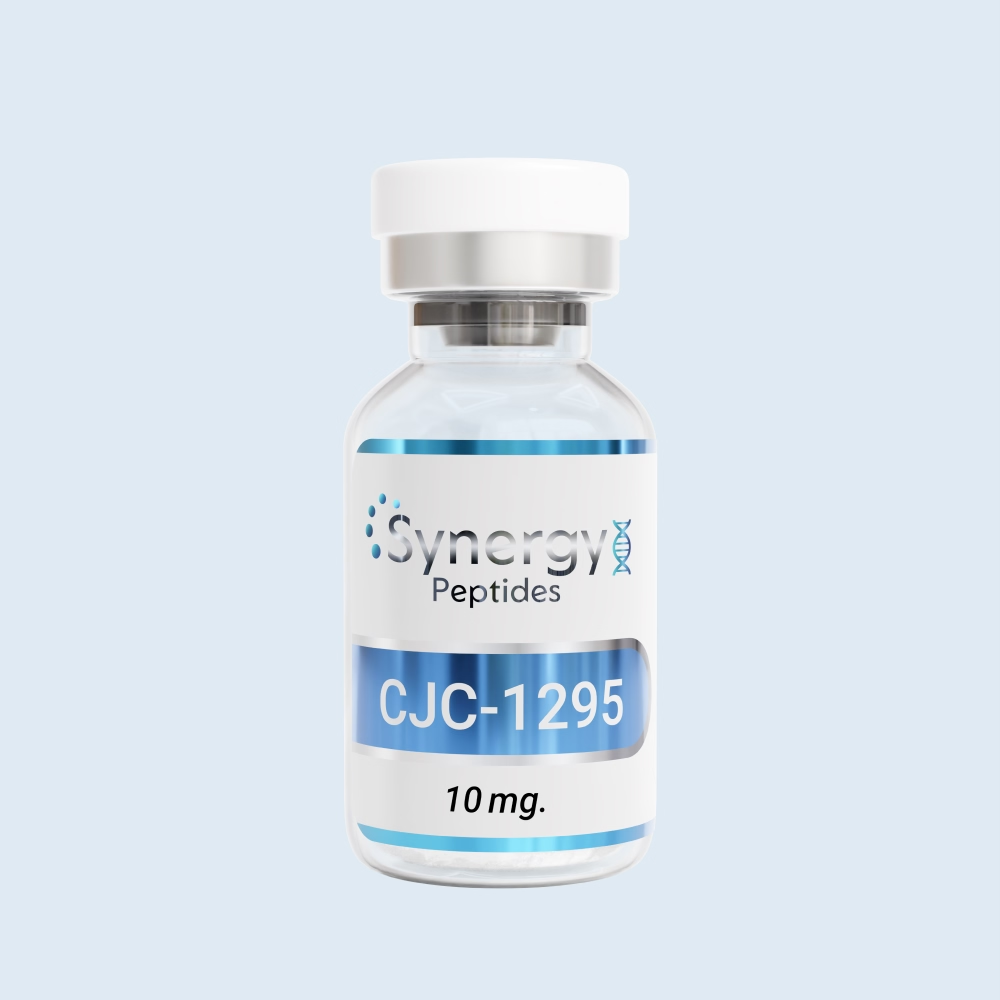


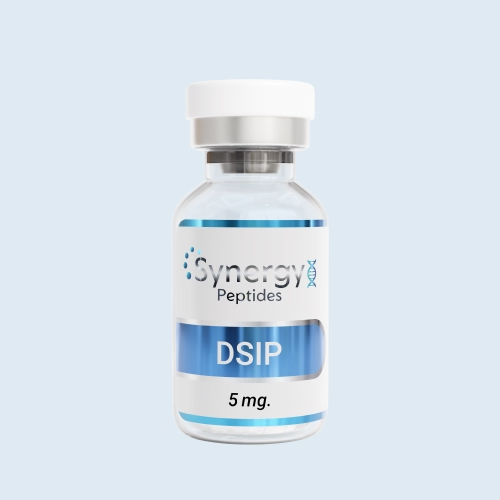


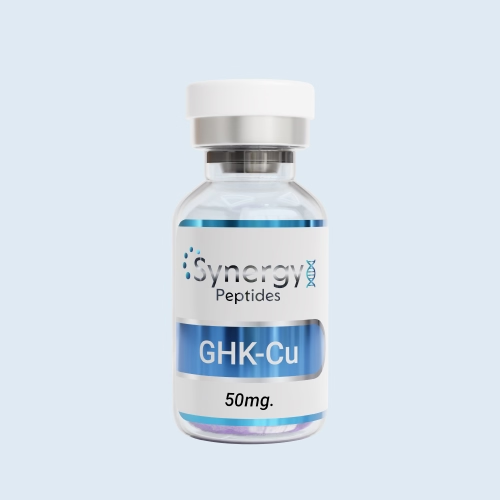
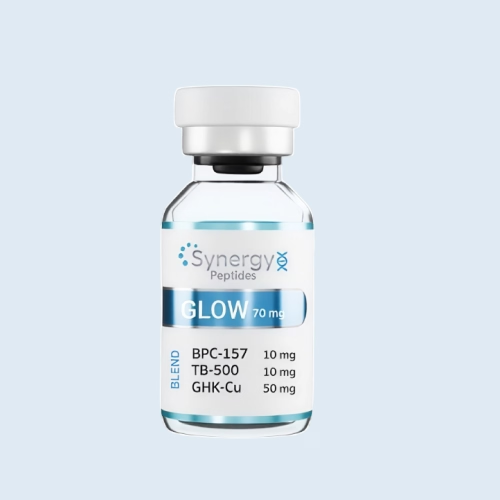


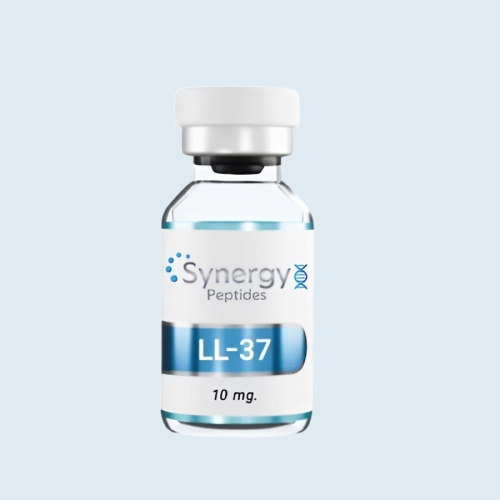


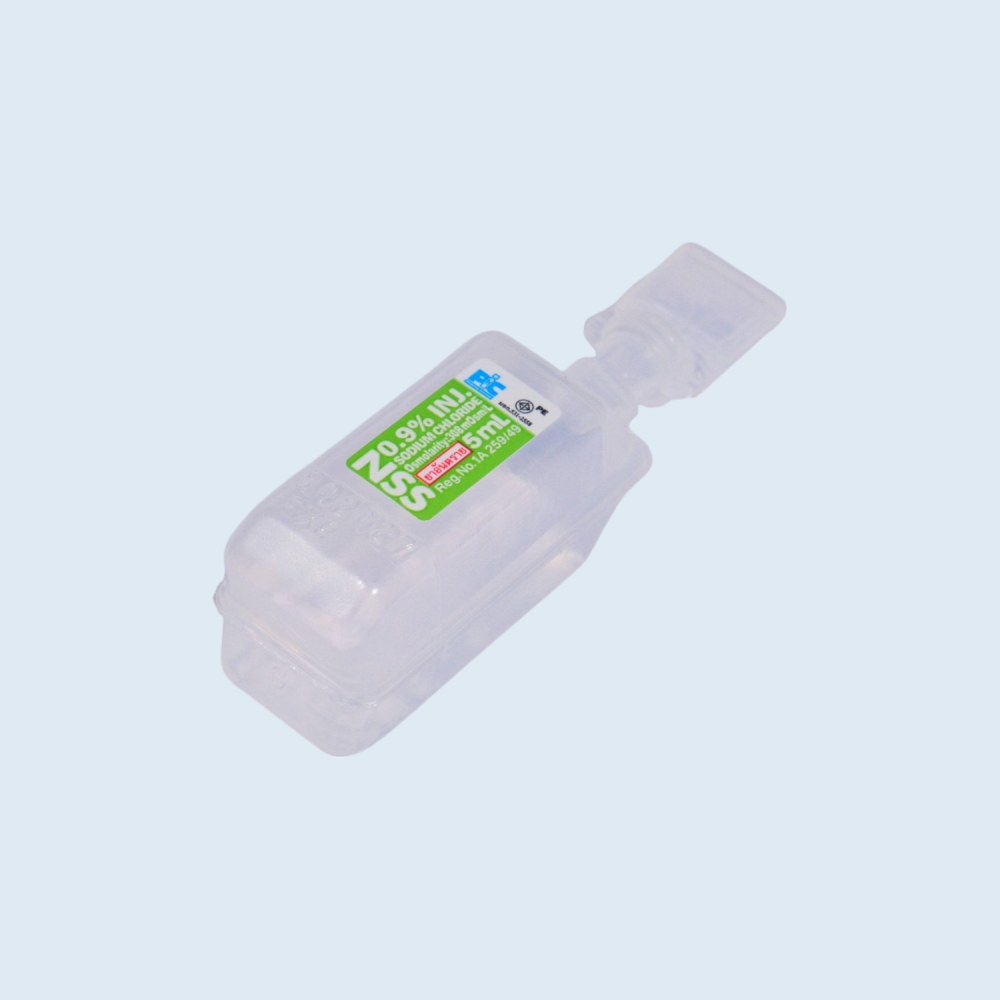
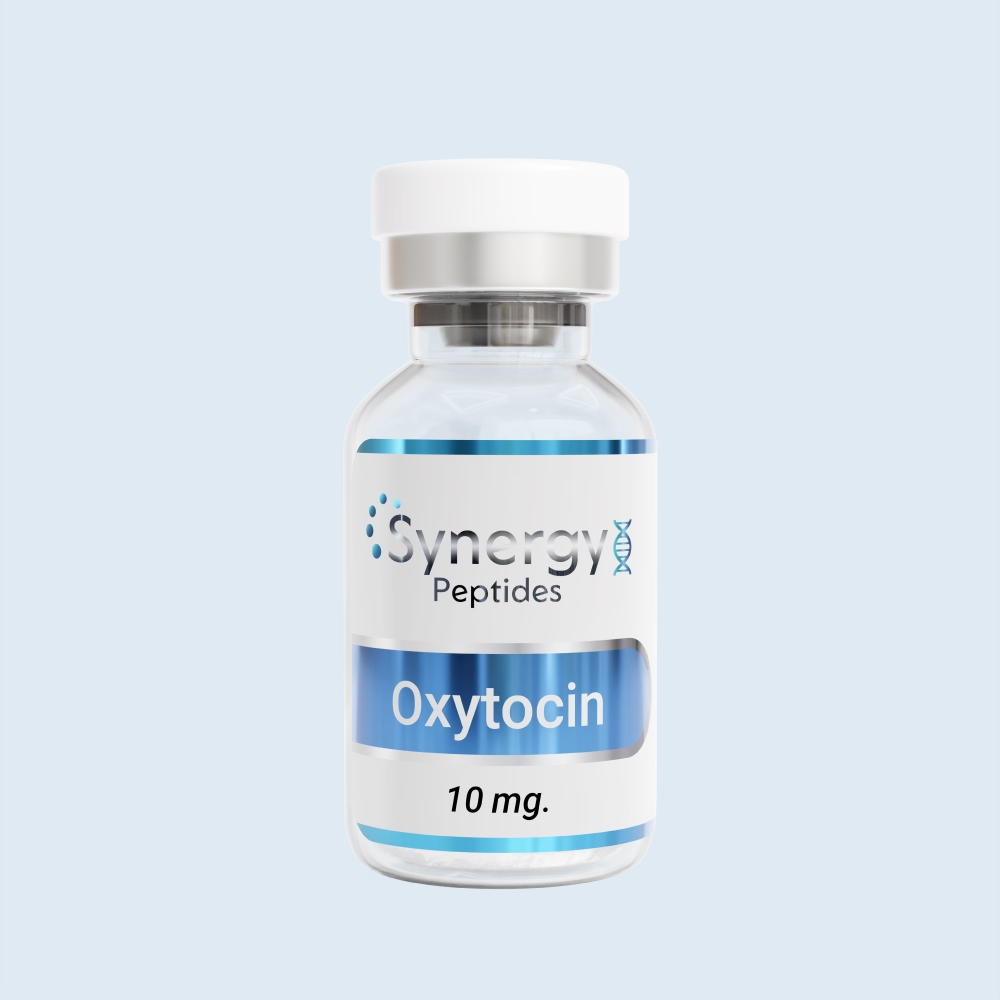
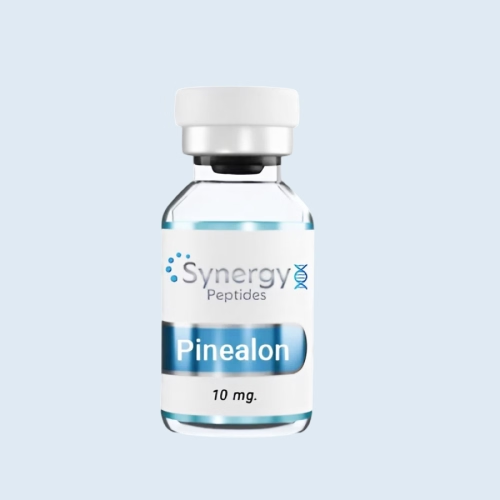





No Results found.
Please try different keywords.

What are Lyophilized medical peptides?
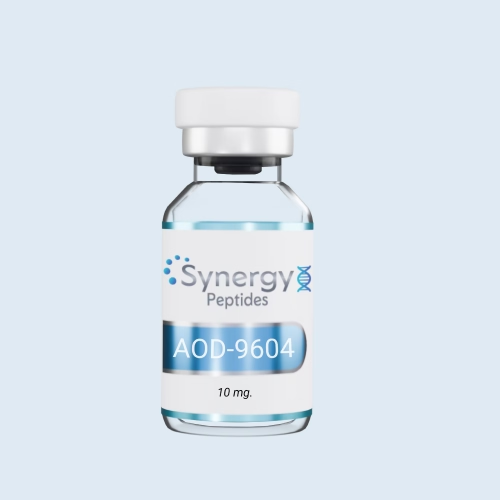
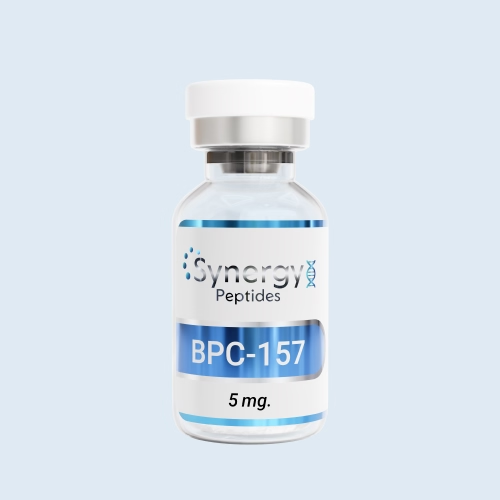
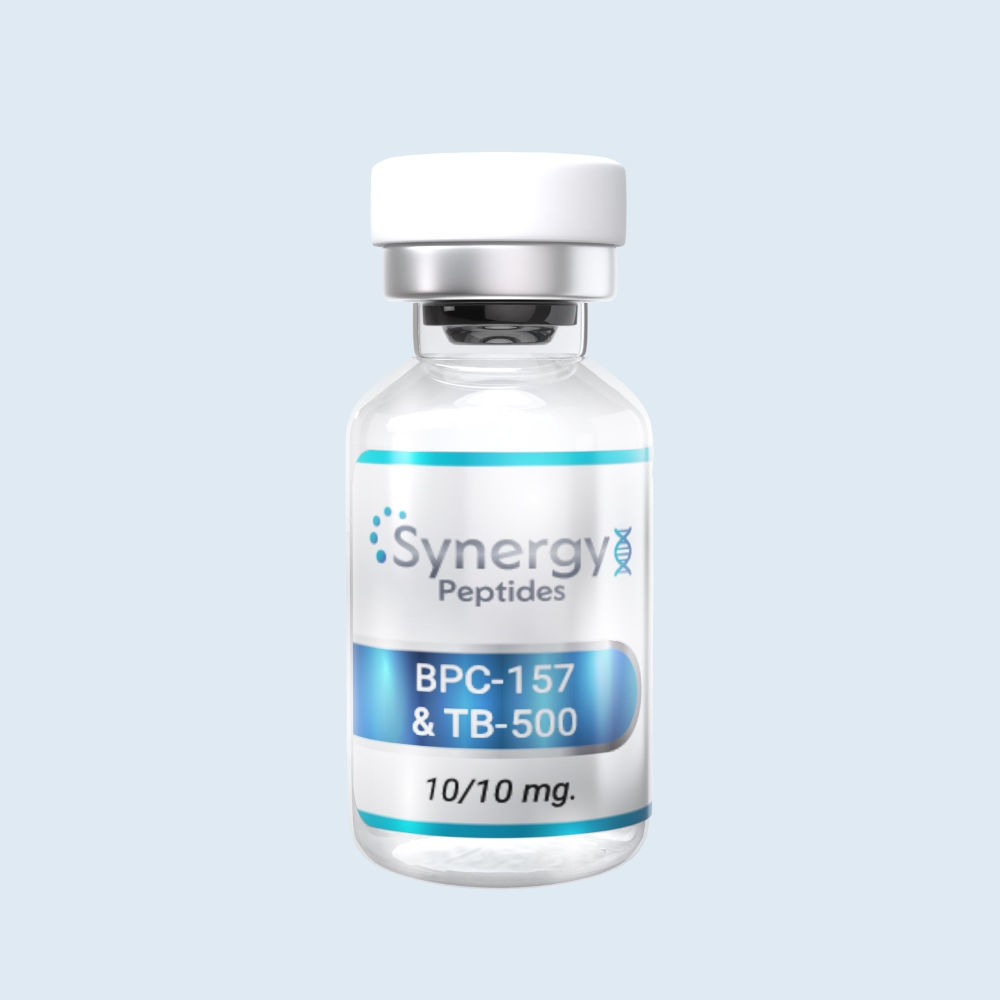
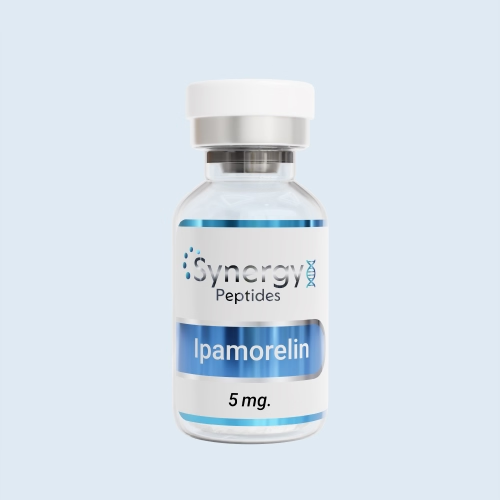
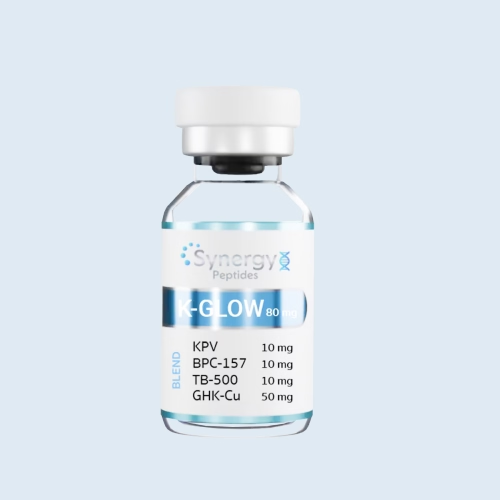
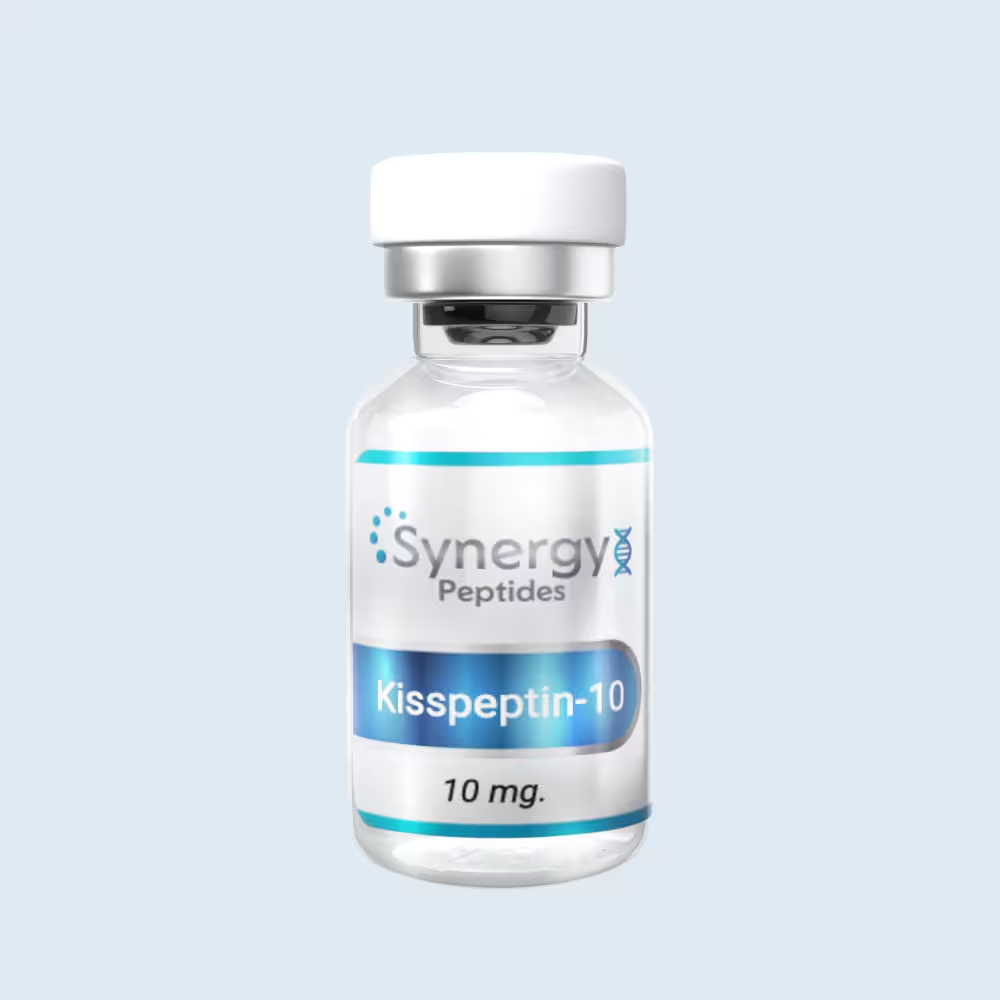
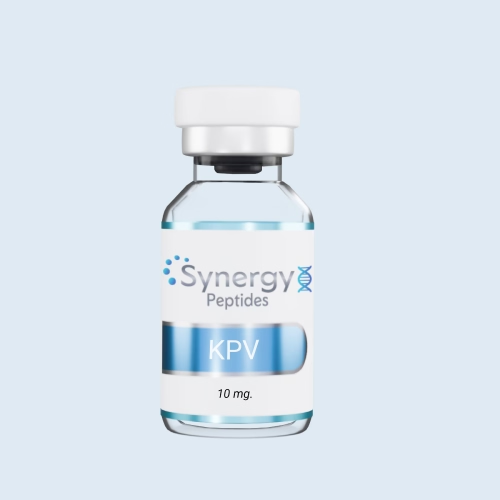
Lyophilized peptides are peptides processed through freeze-drying, which removes moisture at low temperatures and converts them into a stable, dry powder. This form helps preserve peptide integrity and stability until they are reconstituted foruse.
Why are medical peptides available in Lyophilized form?
· Helps Maintain Molecular Stability: Peptides can be sensitive to temperature, moisture, and environmental conditions. Lyophilization (freeze-drying) reduces water content and helps minimize degradation during storage.
· Extends Shelf Life: Keeping peptides in a dry, lyophilized state can improve storage stability compared with keeping them in solution. They are reconstituted with an appropriate sterile diluent before use according to the specific product and medical protocol.
How are Lyophilized medical peptides used?
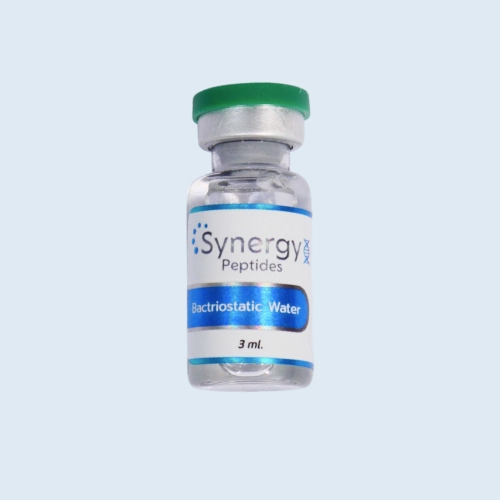
Before administration, lyophilized peptides must be properly reconstituted with an appropriate sterile diluent according to the product instructions and medical protocol.
For peptides prescribed for subcutaneous injection, the prepared solution is injected into the fatty tissue just beneath the skin. This route is commonly used for certain medications and peptides because it allows gradual absorption from the subcutaneous tissue.
Benefits of subcutaneous administration
· Gradual, Predictable Absorption: The subcutaneous tissue contains small blood vessels that allow the medication to be absorbed progressively into the circulation rather than being delivered directly into the bloodstream.
· Avoids the digestive Tract: Subcutaneous administration bypasses gastrointestinal digestion and first-pass metabolism in the liver, which can be important for peptide molecules that may be broken down when taken orally.
Conclusion
The lyophilizedform helps preserve the stability and integrity of peptides during storage until they are ready to be reconstituted and administered.
Equally important, every step from storage and reconstitution to preparation and injection should follow appropriate sterile technique, handling requirements, and medical protocols to minimize contamination and maintain product quality. Peptide selection, preparation, dosage, and administration should be based on the specific product and performed under appropriate medical supervision.