Thank you! Your submission has been received!
Oops! Something went wrong while submitting the form.

































No Results found.
Please try different keywords.

What is MOTS-c?
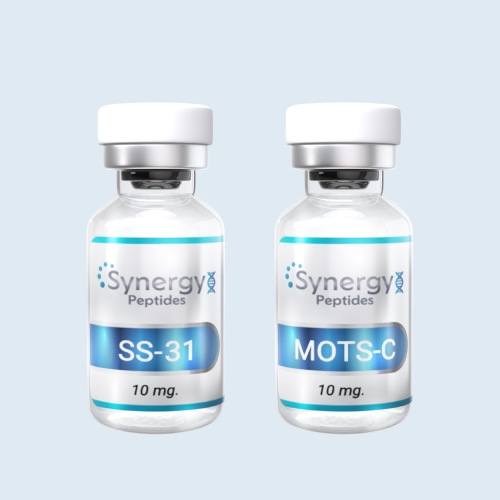
MOTS-c (Mitochondrial Open Reading Frame of the 12S rRNA-c) is a naturally occurring peptide made up of 16 amino acids and encoded by mitochondrial DNA.
Mitochondria are known as the powerhouses of our cells. Beyond producing energy, they also play an important role in cellular signaling and metabolic regulation.
How Does MOTS-c Work?
Research suggests that MOTS-c may influence metabolism through four key mechanisms:
1. Inhibit Folate Cycle: Modulating Cellular Metabolism, MOTS-c may inhibit certain steps in the folate cycle, a pathway involved in cellular metabolism. This can lead to the accumulation of AICAR, a molecule that activates AMPK, an important regulator of cellular energy balance. This mechanism may help cells adapt to changes in energy availability.
2. Activate AMPK: Supporting Cellular Energy Balance, AMPK (AMP-activated ProteinKinase) acts as the body's cellular energy sensor. When energy levels are low, it helps activate energy-producing processes while reducing unnecessary energy consumption.
MOTS-cmay influence AMPK activation, potentially supporting:
· Cellular energy balance
· Glucose utilization for energy
· Fatty acid metabolism
· Adaptation to cellular energy stress
3. Improve Insulin Sensitivity: Supporting Glucose Metabolism, Insulin helps cells absorb glucose from the bloodstream and use it for energy. When insulin sensitivity decreases, maintaining healthy blood glucose levels becomes more challenging.
Research suggests that MOTS-c may improve insulin signaling and glucose uptake, particularly in muscle cells.
4. Regulate Fat Metabolism: Influencing Energy Utilization, Fat metabolism involves storing, transporting, and breaking down fatty acids for energy.
Through AMPK and other metabolic pathways, MOTS-c may influence:
· Fatty acid utilization
· Metabolic flexibility
· Cellular energy balance
· Adaptation to metabolic stress
Why Is MOTS-c Important for Metabolic Health Research?
MOTS-c highlights the role of mitochondria beyond energy production. Mitochondria alsoproduce signaling molecules that help regulate metabolic processes.
Understanding these mechanisms may open new research opportunities related to insulin resistance, metabolic health, and age-related metabolic changes.
Understanding Your Metabolic Health
Metabolic health goes beyond body weight. It includes blood glucose regulation, fat metabolism, cellular energy balance, and overall metabolic function.
Understanding these processes is an important step toward making informed decisions about long-term health and wellness.
Discover the science behind cellular energy and metabolic wellness.
Disclaimer: This article is for educational purposes only. MOTS-c remains an investigational peptide, and its potential benefits are primarily supported by preclinical research. It is notan approved treatment for metabolic disorders.